INNOVATION
When Fertilizer Comes From the Barn, Not the Plant
Manure-based systems are turning farm waste into stable, local fertilizer and reshaping supply models
12 Dec 2025
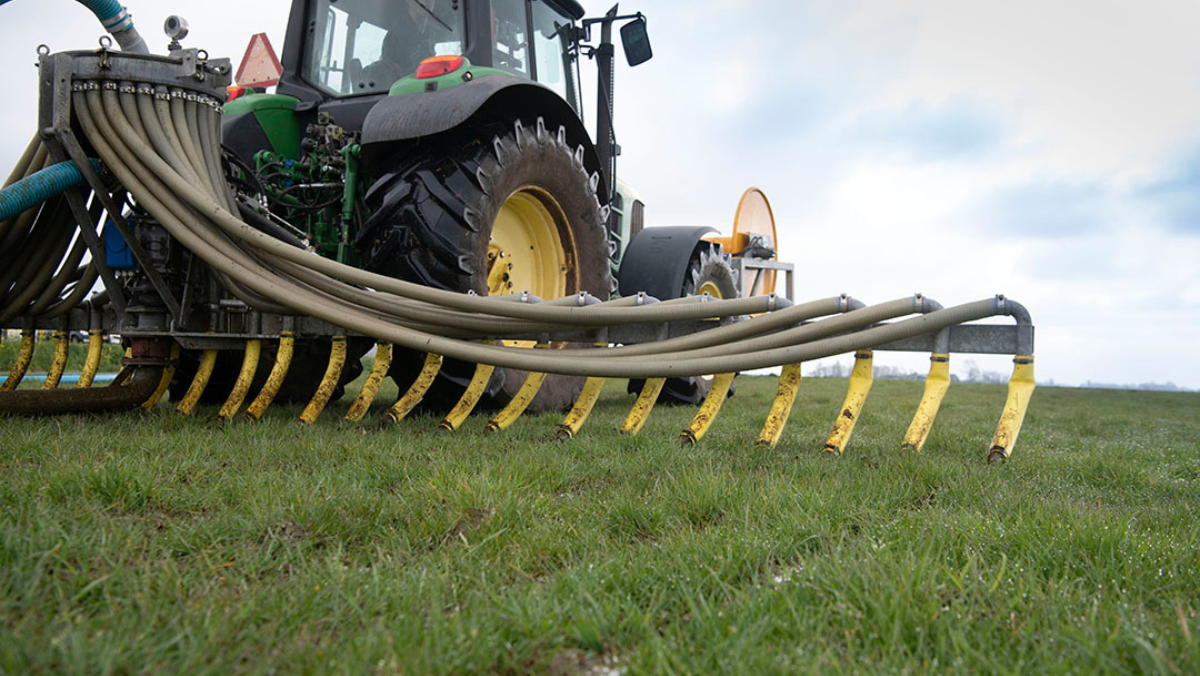
A shift is under way in the US fertiliser industry, and it is starting on dairy farms rather than in chemical plants. Nutrient recovery systems are converting manure into usable fertiliser products, recasting waste as an economic input rather than a regulatory burden.
Commercial installations are now operating, or being built, across several states. These are not pilot schemes but full-scale systems designed for continuous use, producing fertiliser products and treated water from livestock waste. Sedron has emerged as a prominent supplier, with its Varcor system deployed or under construction at a number of large US dairy operations.
The rationale is straightforward. Livestock farms generate large volumes of manure containing nitrogen and phosphorus. Much of that value has historically been lost through runoff, evaporation or inefficient land application. At the same time, farms have remained dependent on fertiliser sourced from global markets exposed to sharp price movements. Nutrient recovery systems aim to capture those nutrients and convert them into concentrated products that can be stored, transported and applied with greater precision.
The change reflects a broader reassessment of fertiliser supply and farm economics. Fertiliser prices have been volatile in recent years, influenced by energy costs, geopolitics and supply disruptions. Producing fertiliser on site from existing waste streams offers farms a way to reduce exposure to those swings and improve cost predictability.
Regulatory pressure is also shaping adoption. US authorities have tightened rules on nutrient runoff, groundwater contamination and air emissions, increasing the incentives for more advanced manure management. Nutrient recovery technologies are commercially proven, but they are not yet widespread. Uptake remains concentrated among larger operations with sufficient scale and capital to absorb the upfront investment.
Scale is central to the economics. Large dairies, or regional processing hubs, are better positioned to operate systems continuously and spread costs over higher volumes. Questions remain over transport distances and the acceptance of recovered fertilisers in crop markets.
Even so, momentum is building. As more facilities come online and operational data accumulates, interest from investors, policymakers and producers is growing. For an industry long dominated by centralised production, nutrient recovery points to a gradual decentralisation. Fertiliser is no longer only a purchased input. For some farms, it is becoming a product they make themselves.
Latest News
12 Dec 2025
When Fertilizer Comes From the Barn, Not the Plant11 Dec 2025
Are Rising Fertilizer Costs Here to Stay?10 Dec 2025
Digital Farming? Fertilizer Industry Moves With Caution15 Apr 2025
Can Research Reinvent Fertilizer? DOE Invests $36M to Find Out
Related News
INNOVATION
12 Dec 2025
When Fertilizer Comes From the Barn, Not the Plant

MARKET TRENDS
11 Dec 2025
Are Rising Fertilizer Costs Here to Stay?
TECHNOLOGY
10 Dec 2025
Digital Farming? Fertilizer Industry Moves With Caution
SUBSCRIBE FOR UPDATES
By submitting, you agree to receive email communications from the event organizers, including upcoming promotions and discounted tickets, news, and access to related events.