REGULATORY
Nutrient Rules Redraw the Fertilizer Map
Federal guidance and conservation programs are nudging fertilizer markets toward efficiency, data, and service-driven value
18 Dec 2025
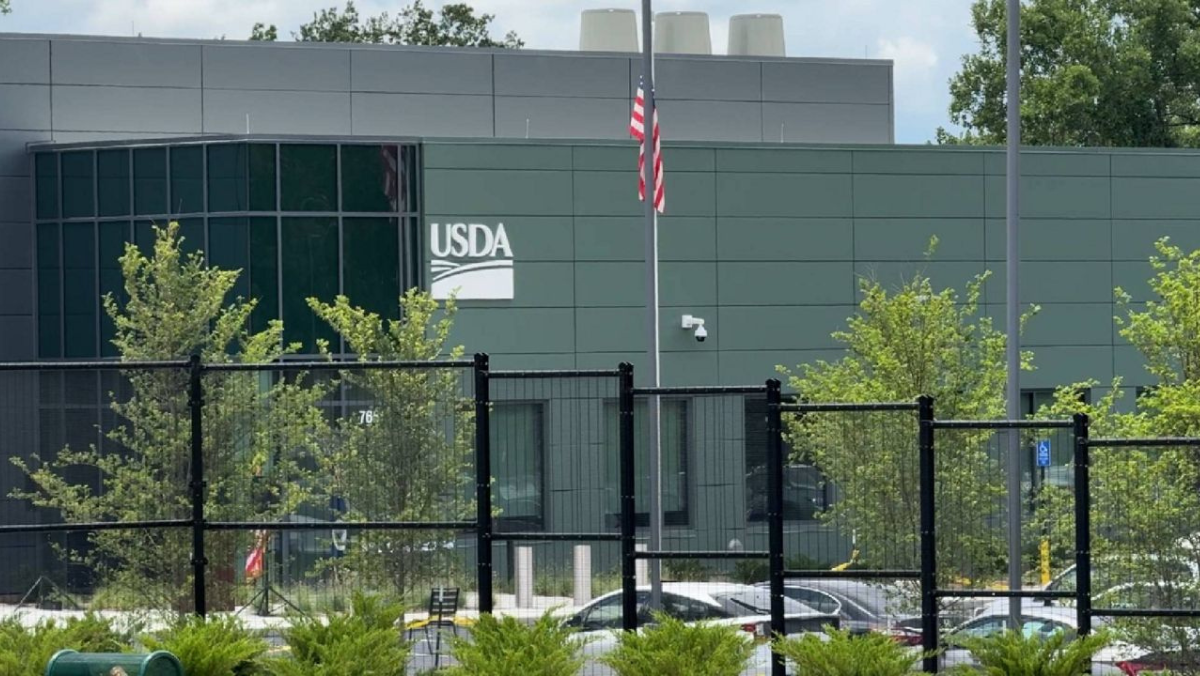
Nutrient management is hardly new on American farms. What is new is how much it now shapes the fertilizer business itself. Guidance from USDA and conservation programs, paired with rising environmental expectations, is changing how growers and suppliers think about value.
For years, nutrient planning lived mostly at the field level. It was about compliance, paperwork, and best practices. Today, those same frameworks are echoing through the supply chain. Conservation programs, climate smart initiatives, and sustainability reporting have given nutrient decisions a wider audience. The shift is steady, not sudden, but it is unmistakable.
Federal guidance tied to USDA and NRCS programs has long stressed planning, documentation, and responsible application. While participation remains voluntary and program specific, the growing weight of these efforts is influencing how companies position products and services. Fertilizer is no longer judged only by yield response or price per ton.
Producers are responding by folding efficiency and stewardship into their offerings. Enhanced efficiency products, digital agronomy tools, and advisory services are becoming core, not optional. The goal is less about reacting to regulation and more about meeting customer demand for precision and proof.
One industry executive summed it up simply. “Expectations around proof, efficiency, and stewardship are rising. Companies that help growers show responsible nutrient use are better positioned over time.”
Retailers feel the change as well. Dealers and custom applicators are expanding agronomic services, precision application, and data platforms that help farmers plan and track nutrient use. Analysts say the push comes from customer expectations and supply chain transparency, not from any single rule.
For farmers, the trend cuts both ways. Better tools and clearer standards can reward efficiency and reduce guesswork. At the same time, they add data and time demands, which can weigh more heavily on smaller operations.
Viewed broadly, nutrient accountability reflects a larger shift in agriculture. Environmental performance is moving from a voluntary ideal to a market factor. Fertilizer markets are adjusting with more services, more data, and a focus on outcomes over volume. The future will favor those who help make smarter nutrient use both practical and credible.
Latest News
18 Dec 2025
Nutrient Rules Redraw the Fertilizer Map17 Dec 2025
EPA Spotlights Smarter Fertilizers for a Leaner Future16 Dec 2025
A Partnership Aims to Make Phosphorus Work Harder in 202615 Dec 2025
Nitricity’s Big Raise Signals a Fertilizer Shift
Related News
REGULATORY
18 Dec 2025
Nutrient Rules Redraw the Fertilizer Map

INNOVATION
17 Dec 2025
EPA Spotlights Smarter Fertilizers for a Leaner Future

PARTNERSHIPS
16 Dec 2025
A Partnership Aims to Make Phosphorus Work Harder in 2026
SUBSCRIBE FOR UPDATES
By submitting, you agree to receive email communications from the event organizers, including upcoming promotions and discounted tickets, news, and access to related events.